

If your shoes feel comfortable at breakfast but uncomfortably tight by mid-afternoon, you are not imagining it. Your feet usually do not “grow” in the traditional sense. Instead, fluid can gradually collect in the lower legs and feet as gravity works on your circulation throughout the day.
By 3 PM, hours of standing, sitting, walking, heat, compression garments, or limited movement may leave your feet wider, fuller, and more sensitive. For people living with lymphedema, diabetes, neuropathy, venous insufficiency, or chronic swelling, that daily change can be even more noticeable.
The solution is not to squeeze your feet into yesterday morning’s fit. It is to choose footwear designed around your real day.
Why feet swell more by the afternoon
Your feet are the lowest point of your body when you are upright. Blood and tissue fluid must travel upward against gravity, supported by your veins, muscles, and lymphatic system. When that return flow is slower than usual, fluid may pool around the ankles and feet.
This is commonly called dependent edema. It can be influenced by:
- Long periods of sitting or standing
- Warm weather
- High-sodium meals
- Reduced movement
- Certain medications
- Venous circulation concerns
- Diabetes-related complications
- Lymphedema or other lymphatic conditions
For many people, the swelling is mild in the morning and more noticeable later in the day. That is why a shoe that fits at 8 AM may suddenly feel narrow, stiff, or difficult to put on after lunch.
Still, persistent or worsening swelling deserves attention. The NHS guidance on oedema recommends medical evaluation when swelling does not improve or keeps returning. Seek urgent medical help if swelling is sudden, affects only one leg, or appears with warmth, redness, significant pain, chest pain, or shortness of breath. If you have diabetes or known lymphedema, report new changes to your clinician promptly.
Why standard shoes often stop working
Traditional footwear is built around a fixed shape. That can be fine for feet whose volume stays fairly consistent. But when swelling changes throughout the day, rigid uppers, narrow openings, and tight straps can create pressure exactly where you need relief.
The result may include:
- Pinching across the instep
- Pressure on toes or bunions
- Redness and rubbing
- Difficulty accommodating compression garments
- Skin irritation or breakdown
- A shoe that becomes harder to remove as the day goes on
For people with reduced sensation from neuropathy, pressure may not always feel painful right away. That makes daily foot checks especially important. A shoe should not leave deep marks, hot spots, or areas of persistent redness.
The better approach? Build in room to adapt.
Meet the adaptive fit: footwear that works with your day
CAIRS designs adaptive, medically supportive footwear for people who need more flexibility than standard shoes provide: without settling for a clinical-looking style.
The key is the Feature-to-Benefit Bridge: every design element should solve a practical problem.
Tru-Stretch technology: expanding comfort when swelling changes
CAIRS’ proprietary Tru-Stretch technology is designed to expand with your foot in width and height. That matters because swelling is not always a side-to-side issue. Your instep and overall foot volume can change, too.
The benefit: less pressure and pinching as your feet become fuller. The shoe adjusts to your shape instead of forcing your foot into a rigid mold.
Wide entry: easier on and easier off
A wide-entry opening gives your foot more space during the most difficult part of dressing: getting into the shoe.
The benefit: less tugging, twisting, and force: especially helpful when your feet are swollen, bandaged, or dressed with compression garments. It can also support more dignified, independent dressing for people with limited reach or mobility.
Adjustable closures: customize the fit as the day changes
Hook-and-loop straps, stretch laces, or other adjustable closures allow you to fine-tune the fit rather than relying on one fixed tension.
The benefit: loosen the upper when your feet feel fuller. Secure it comfortably when you need stability. No wrestling match required.
Extra depth and roomier toe boxes: space where your feet need it
Extra-depth construction gives toes and the top of the foot more vertical room. A generous toe box lets your toes spread naturally instead of pressing into one another.
The benefit: reduced contact against sensitive areas such as bunions, hammertoes, and swollen joints. More room can also help accommodate orthotics, AFOs, bandages, or compression layers, depending on the style.
Supportive soles: comfort is more than softness
A plush upper is helpful, but your outsole and footbed matter, too. Supportive soles can improve stability and help distribute pressure more evenly as you walk.
The benefit: a steadier stride and less concentrated pressure under the heel and forefoot. CAIRS styles include supportive designs ranging from everyday sneakers to dress shoes and sandals.
Adaptive styles for real life: not just the sofa
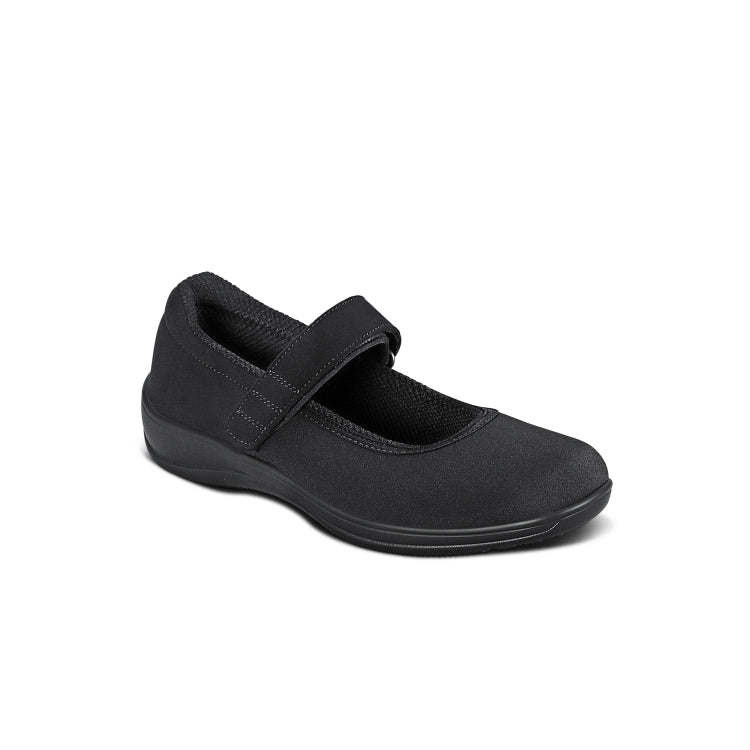
For a polished, classic look, the Springfield Women’s Stretchable Mary Jane combines a stretchable upper with an adjustable hook-and-loop strap. Its listed widths include Medium, Wide, Extra Wide, and XX-Wide, depending on size and availability.
Why it matters: the stretch upper helps ease pressure around sensitive areas, while the adjustable strap lets you personalize the fit. The style also includes extra depth for added interior room.
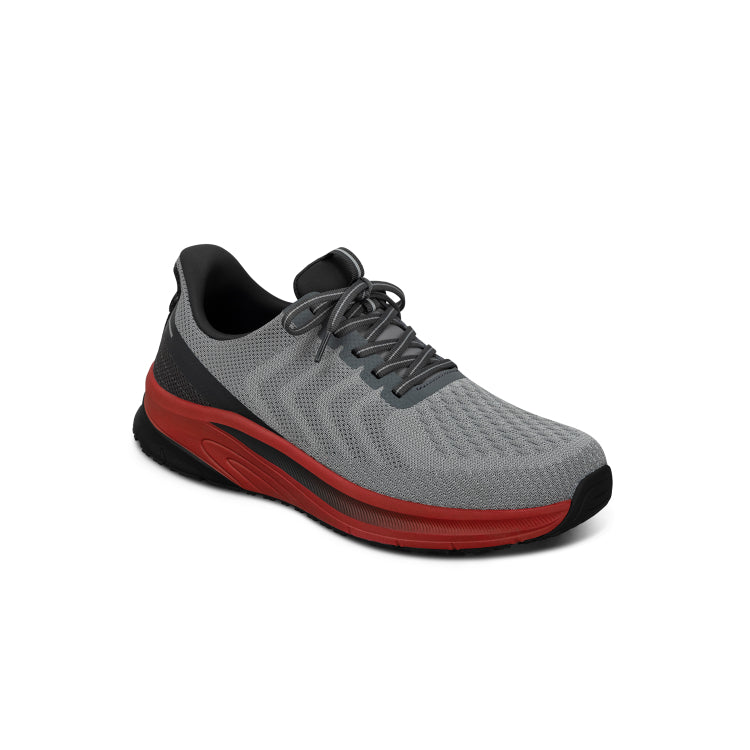
Need a walking shoe that is easier to put on? The Tilos Men’s Hands-Free Athletic Sneaker is designed for step-in convenience, with a roomy interior, extra depth, anatomical insoles, and widths ranging from Medium to Extra Wide on the product listing.
Why it matters: hands-free entry can reduce bending and reaching, while a spacious toe box helps provide comfort for swelling, bunions, hammertoes, or sensitive feet.
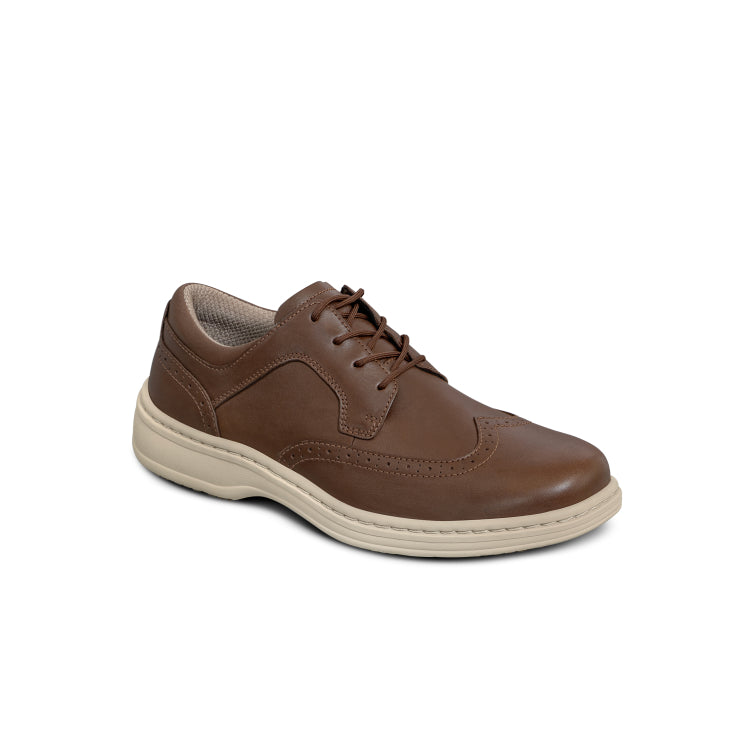
For work, events, or any occasion that calls for something sharper, the Moreno Men’s Orthopedic Wingtip Dress Shoe offers a classic leather wingtip profile with a wide toe box, extra depth, supportive footbed, and adjustable lace closure.
Why it matters: you can choose a more formal silhouette while still making room for wider feet, orthotics, and day-to-day comfort.
CAIRS also offers a broader lymphedema and swollen-foot collection, as well as diabetic footwear. Sizes and widths vary by style, so always review the individual product listing and measure carefully.
How to find your best afternoon fit
Your feet are often largest later in the day, so measure when swelling is most typical: not only first thing in the morning.
Use this quick routine:
- Measure both feet. One foot may be longer or wider than the other.
- Wear your usual socks or compression garments. Measure with the layers you expect to use.
- Check length and width. Do not choose a size based on length alone.
- Look for pressure points. Your toes should not touch the front, and the upper should not dig into your instep.
- Walk indoors. Notice whether your heel feels secure and whether the shoe rubs anywhere.
- Inspect your feet afterward. Look for redness, marks, blisters, or irritation.
CAIRS’ FAQ page includes sizing guidance, and the product pages provide style-specific measurements and width options.
Medicare, insurance, and HSA/FSA options
Medical footwear can be a meaningful investment, but you may have payment or coverage options.
CAIRS is a Medicare Certified provider, and select diabetic therapeutic shoes may qualify under Medicare’s A5500 benefit when medical eligibility, documentation, prescription requirements, and supplier rules are met. Medicare Advantage and private insurance plans may have different requirements, so confirm coverage with your plan before ordering.
CAIRS also accepts HSA/FSA payments on eligible products. Depending on your plan, you may need documentation such as a Letter of Medical Necessity. Review your account rules or speak with your benefits administrator.
For help with eligibility and next steps, complete the CAIRS Patient Intake Form, call (864) 203-5005, or visit the CAIRS contact page.
The bottom line
Afternoon swelling is often your body responding to gravity, circulation, activity, and fluid movement. But your shoes should not punish you for having a changing body.
Choose adaptive features that give you breathing room:
- Expanding uppers
- Wide entry
- Adjustable closures
- Extra depth
- Roomy toe boxes
- Supportive, stable soles
Measure your feet later in the day. Check your skin daily. Ask your clinician about persistent swelling. Then explore footwear that keeps up with your comfort, your style, and your plans.
Shop CAIRS adaptive footwear. Check your coverage. Give your 3 PM feet the room they deserve.


