

October is Breast Cancer Awareness Month, and it's a fitting time to talk about a challenge many survivors know well: swelling. Breast cancer treatment can raise the risk of secondary lymphedema, and that swelling can change the way a shoe fits over the course of a day. For people living with lymphedema, diabetes, neuropathy, or chronic swelling, it can also turn ordinary shoelaces into an everyday hassle: too tight in the afternoon, too loose after loosening, and awkward to tie when bending is difficult.
No-tie shoes can make getting dressed easier. But for swollen or hard-to-fit feet, the bigger benefit is a closure that helps make daily footwear more manageable, without sacrificing a secure fit. The right design combines easy entry with enough room and support for your feet as they change.
Why fit can change from morning to evening
Feet often become fuller as the day goes on. Sitting or standing for long periods, activity, warmth, and underlying health conditions can all contribute to swelling. That means a shoe that feels fine at breakfast may feel tight across the instep or forefoot later on.
When a shoe’s upper and closure have little give, the usual response is to loosen the laces. That may relieve pressure temporarily, but it can leave the shoe less secure. A foot that slides around inside the shoe may rub against the lining or shift forward, creating friction and pressure points.
That matters especially if you have diabetes-related neuropathy. Reduced sensation can make it harder to notice rubbing or a shoe that has become too tight. The Diabetic Foot Australia footwear guideline emphasizes appropriate fit and secure footwear; no-tie laces are not a substitute for either.
No-tie laces: more than a time-saver
Traditional laces can be difficult to tie when you have limited reach, hand strength, or mobility. And when swelling changes, tightening or loosening them repeatedly can become a small but persistent chore.
Elastic no-tie laces stretch as you put on and take off your shoes. Once the fit is set, there’s no bow to tie each time. That can mean:
- Less bending and fussing. Helpful when reaching your feet is uncomfortable or difficult.
- A more consistent everyday routine. No repeated retying as you get ready to leave.
- Fewer dangling lace ends. Less chance of laces dragging on the ground or becoming a trip hazard.
- An easier assist for caregivers. A wide opening and flexible closure can make entry simpler, including when help is offered one-handed.
One important caveat: “no-tie” does not automatically mean “safe fit.” Elastic laces should not be so tight that they leave indentations, and the heel should stay secure when you walk. The shoe should not be oversized just because it is easier to get into.
The diabetic-foot safety issue: loosened laces and reduced sensation
For a person with numb or less-sensitive feet, relying on discomfort as a warning sign can be risky. A loosened lace may let the foot move inside the shoe. That movement can contribute to friction, while a lace that trails or catches may create a tripping hazard. A shoe that is too tight can also leave pressure marks without the wearer noticing right away.
Elastic laces can reduce the need to retie, but they do not prevent skin problems or replace foot checks. When you take your shoes off, look for redness, blisters, cuts, or marks that persist. If you have diabetes and notice a new wound or concerning skin change, contact your healthcare professional.
The goal is a shoe that stays comfortably in place, not one that squeezes your foot or lets it slide. If your swelling changes significantly through the day, consider fit at the time your feet are usually fullest and ask a podiatrist or diabetes-care professional for guidance.
What’s different about Tru-Stretch?
Some no-tie products are simply elastic laces added to an otherwise standard shoe. The laces may stretch, but the upper itself may not give your foot much room. If swelling changes the volume of your foot, a flexible lace alone might not solve the whole fit problem.
CAIRS’ Tru-Stretch approach is designed as part of adaptive footwear: stretchable materials work with the foot, while elastic lacing can make entry and day-to-day wear easier. The benefit is a more complete fit strategy, not just a different way to fasten a conventional shoe. Depending on the style, wide entry and generous width options can provide additional room where a fixed, narrow shoe may pinch.
No design makes every foot fit, of course. Check the specific product’s fit, width, and closure. Set the laces so the shoe is secure without pressure, and confirm that your heel does not slip and your foot does not slide forward.
Easy entry matters for caregivers, too
A wide-opening shoe with flexible laces can make dressing simpler for both the wearer and a caregiver. Instead of pulling hard on a tight opening or trying to tie a bow at an awkward angle, the shoe can be opened up, slipped on, and adjusted for a comfortable hold.
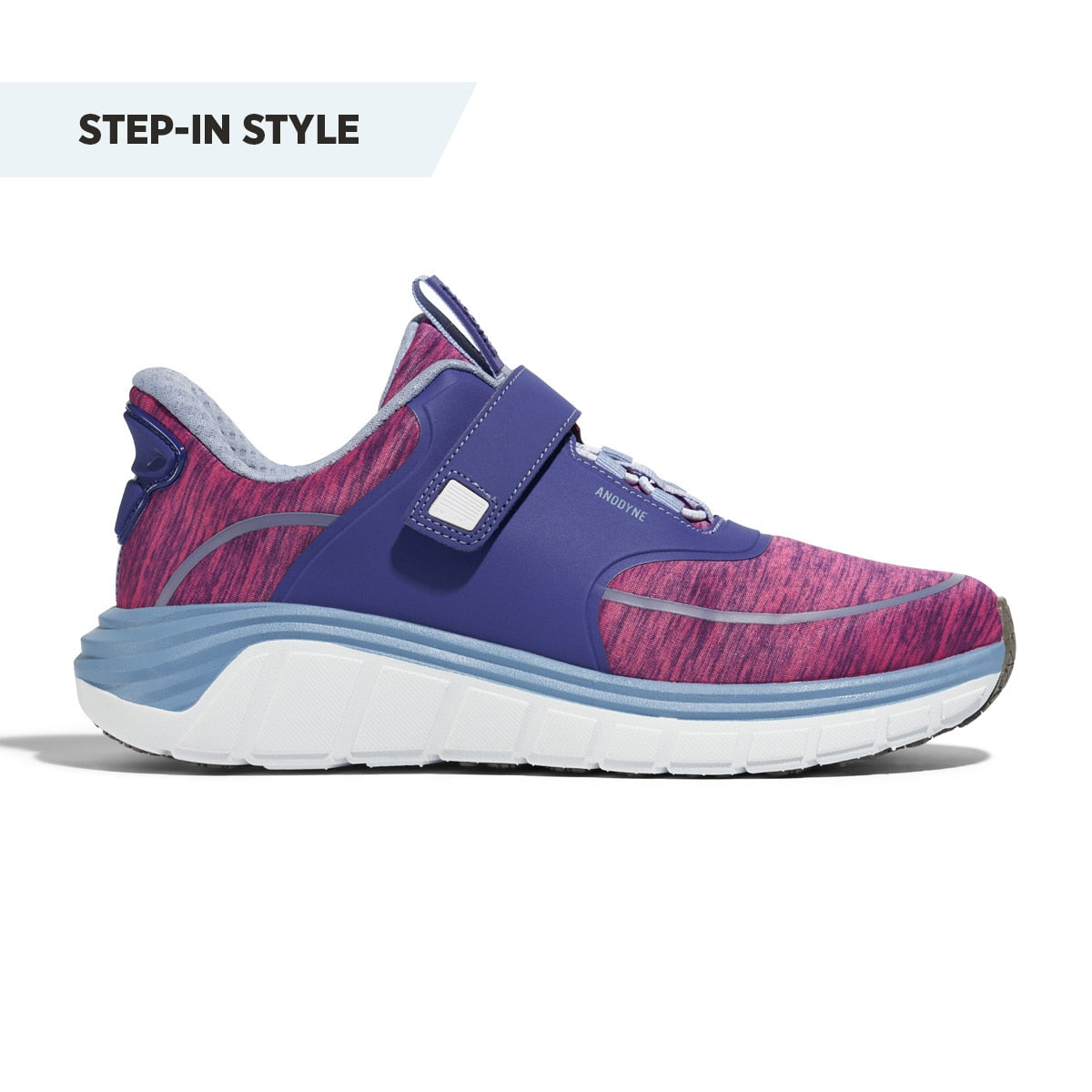
That can support more independence and dignity: less tugging, less bending, and fewer “hold still while I fix this lace” moments. CAIRS also carries hands-free styles designed for step-in entry. These are a different design from elastic no-tie laces, but they can be another option when bending or reaching is a challenge.

What to look for in no-tie shoes for swollen feet
Think beyond the lace. A supportive shoe should fit your foot’s length, width, and volume, and provide enough room for the socks, orthotics, or compression garments you normally wear.
As you compare adaptive shoes, check for:
- An opening that makes entry easier. Especially useful when swelling, limited mobility, or caregiving assistance is part of your routine.
- A closure that holds your foot securely. The shoe should not slip off or allow excessive movement.
- Room where you need it. Wider options, extra depth, and a toe box that does not crowd your toes can help reduce pressure.
- A stable sole and supportive construction. Softness alone is not the same as support.
- A fit that works at your usual swelling level. Check both feet; they may not be the same size.
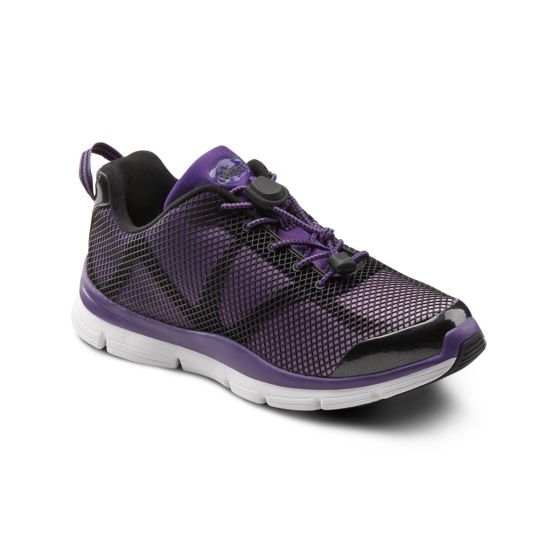
CAIRS offers sizes up to 14 and widths up to 5E across its footwear range, though availability varies by style. And no-tie comfort doesn't mean giving up on style: the Katy Women's Athletic Comfort Shoe in Pink brings exactly the pink of the awareness ribbon to a breathable no-tie design, the step-in Anodyne No. 45 blends purple and pink in one easy-entry silhouette, and the pull-on Eve Stretchable Wedge Loafer keeps things polished for dressier days. Explore the lymphedema and swollen-foot collection, browse hands-free shoes, or review the CAIRS sizing FAQ before choosing a pair.
Medicare and HSA/FSA options
The cost of supportive footwear can be a real consideration. CAIRS accepts HSA/FSA payments on eligible products; your plan may require documentation, so check your account rules. CAIRS is also a Medicare Certified provider. Some therapeutic diabetic shoes may qualify under Medicare’s A5500 benefit when the medical eligibility, documentation, and supplier requirements are met. Coverage is not automatic, and plan rules vary, confirm details before ordering.
Make the small change that fits your day
No-tie laces can make dressing easier and reduce the repeated tying and loosening that comes with a changing fit. The best results come when the closure is part of a shoe designed for your comfort: room where you need it, support underfoot, and a secure fit that does not depend on painful tightness.
Explore CAIRS adaptive footwear. Check your size, width, and benefit eligibility. Find an easier way to step into your day.


